
India vs Pakistan Handshake Controversy: Asia Cup 2025 Sparks ICC Action
In the high-octane world of India-Pakistan cricket, every gesture is magnified, every silence amplified. But what happens when the silence itself becomes the loudest statement on the field?
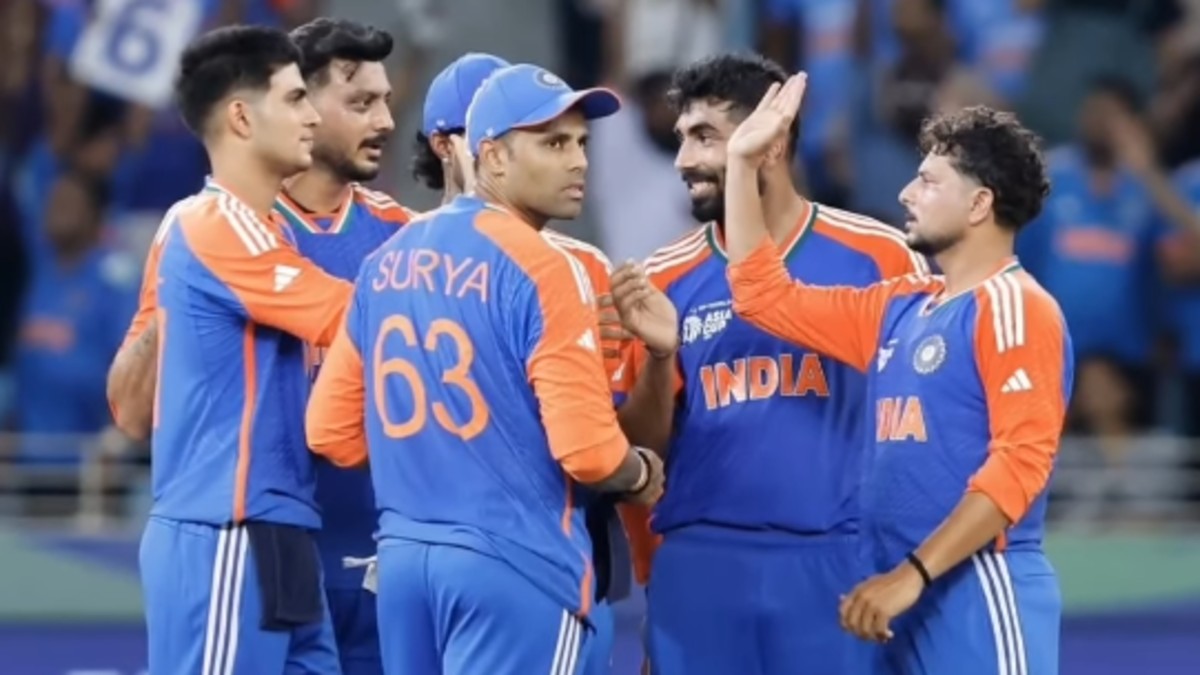
On September 14, 2025, India defeated Pakistan by seven wickets in the Asia Cup—a result that should have dominated headlines for its sporting merit. Instead, it was a missing handshake that stole the spotlight. Indian captain Suryakumar Yadav and batter Shivam Dube walked off the field without acknowledging their Pakistani counterparts, sparking outrage, political speculation, and a formal complaint from the Pakistan Cricket Board (PCB).
This wasn’t just a breach of etiquette—it was a moment that blurred the lines between sport and geopolitics, raising uncomfortable questions about diplomacy, nationalism, and the role of cricket in a region perpetually on edge.
The Drama Before the Drama: Toss Tensions and Silent Signals
Tension mounted even before the first ball was bowled. At the coin toss, Suryakumar Yadav reportedly refused to shake hands with Pakistan captain Salman Ali Agha. Match referee Andy Pycroft allegedly advised Agha to forgo the gesture entirely. After the match, the Indian players left the field without the customary handshake, leaving the Pakistani team waiting in vain. In a sport where post-match handshakes symbolize sportsmanship and mutual respect, this act was interpreted as a silent boycott. The context for this incident was the rising political tensions following the Pahalgam terror attacks, which had already strained relations between India and Pakistan.
What the Rules Say—and Don’t Say
The International Cricket Council (ICC) has a clear position on sportsmanship. The Preamble to the ICC’s T20I Playing Conditions states:
“Congratulate the opposition on their success, and enjoy those of your own team. Thank the officials and your opponents at the end of the match, regardless of the result.”
This principle is not merely symbolic; it is enforceable. Article 2.1.1 of the ICC Code of Conduct categorizes “conduct that is contrary to the spirit of the game” as a Level 1 offence. This includes actions such as refusing to shake hands.
Although no official punishment has been announced yet, the ICC could impose fines on Suryakumar Yadav. Historically, these penalties have been more symbolic than severe, but the political implications of this incident might lead the ICC to take more decisive action.
Cricket as Proxy War: Beyond the Boundary Line
Let’s be honest—India vs. Pakistan is never just a game. It resembles a proxy war played out on the cricket field, with bats and balls replacing bullets. Every run scored and every wicket taken carries significant national pride and historical weight.
In this context, the handshake boycott becomes more than a mere violation of protocol; it transforms into a political statement. Whether intentional or not, it reflects the mood of a nation grappling with grief, anger, and unresolved tensions.
For Indian fans, the silence may feel justified. For Pakistani fans, it’s a snub. For neutral observers, it serves as a reminder that cricket in South Asia is inextricably linked to the surrounding politics.
Is Silence the New Protest?
Here’s where it becomes thought-provoking. In an era of performative gestures and viral outrage, silence can be one of the most powerful forms of protest. By refusing to engage in the handshake ritual, the Indian team may have chosen dignity over diplomacy and restraint over rhetoric.
But is this fair to the spirit of the game? Should cricket be separated from political realities, or should it reflect them?
This editorial tension makes the incident particularly compelling. It’s not just about what happened; it’s about what it signifies.